
Download Official Ola TV and Kshaw Latest Apk on your Android devices and FireStick TV to watch more than 1000+ live TV channels absolutely free
Download Ola TVDownloader Code: 3592596
Download KshawDownloader Code: 771847
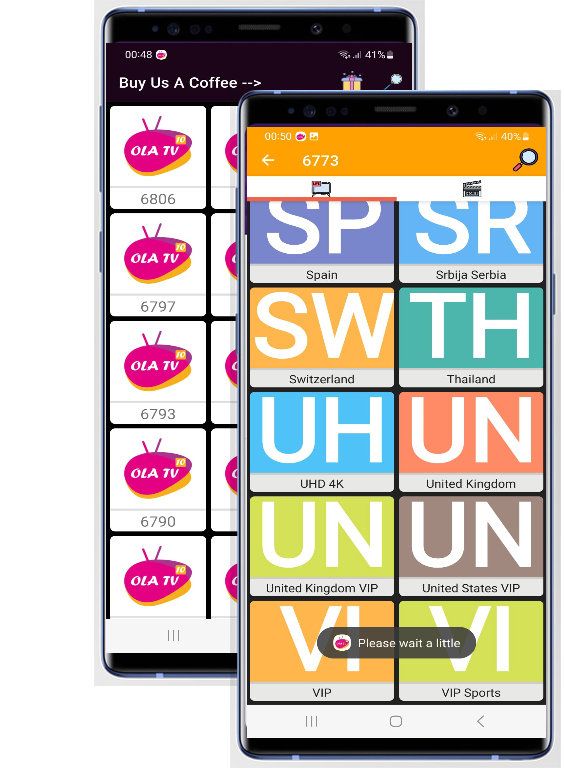
Download Official Ola TV and Kshaw Latest Apk on your Android devices and FireStick TV to watch more than 1000+ live TV channels absolutely free
Download Ola TV
We are no longer using ADS,Your donations power our ongoing enhancements. Contribute now for a seamless experience.



 Donate with Paypal here
Donate with Crypto here
Donate with Paypal here
Donate with Crypto here
Practical tip: Establish a weekly “off-stage” ritual—a fixed block of time with no social media, no work messages, and one restorative activity (walk, reading, cooking). Treat it like a rehearsal-free zone that preserves perspective. Those whose platforms grow—like Blair Williams in this composition—accrue influence. With influence comes responsibility: to avoid monetizing every intimacy, to provide truth rather than only polish, and to use voice to elevate others. The top vantage point offers clarity: the ability to see patterns, to call out systems that encourage performative harm, and to model alternative practices that prioritize care.
Practical tip: If you lead or have an audience, schedule quarterly feedback sessions (anonymous if needed) to learn how your projected self aligns with others’ experience. Use the feedback to adjust content, tone, and boundaries. “All the world’s a stage” need not diminish our humanity; it can illuminate how we play roles and where choice remains. From that top view—disciplined, reflective, and humane—one can design a life in which performance becomes an instrument of connection rather than a mask, and where authenticity is cultivated deliberately, like any craft. blair williams all the worlds a stage top
This modern stage demands fluency in signals. Like actors, we learn cues: when to display confidence, when to downplay expertise, which details to amplify. Like stage managers, we edit the set—deleting photos, polishing bios, choosing angles. The production values of everyday life are high, and the pressure to appear “on” can both propel and exhaust. People occupy many roles—professional, partner, parent, friend, activist. Each role offers scripts: patterns of speech, expected behaviors, tacit rules. Blair Williams navigates these roles with an awareness that performance need not be inauthentic. Indeed, good acting teaches listening, empathy, and disciplined attention—skills that improve real relationships when used ethically. Use the feedback to adjust content, tone, and boundaries