Mara’s work required that she understand both halves. She was a registrar: a specialist in thresholds. She held certifications in cryptographic provenance and behavioral containment theory, and she kept a small toolkit of pens, lenses, and calculators in a leather satchel. Her job was not to build prisons but to design the openings that would not unravel them. The key in her palm carried the signatures of that craft. Each etched character encoded a vector: origin coordinates, temporal allowance, biometric hash, and an entropy budget specifying how much disorder the bearer could introduce during transit.
On a quiet evening she returned the metal token to its cradle, cleaned of fingerprints and annotated with its ledger ID. The butterfly on the face caught the light and threw a spectrum along the table, small and exact. The registry’s database stored the encounter as data: vectors, timestamps, entropy tallies, compliance flags. But somewhere between digits and directive, the token had done its deeper work. It had translated a human need—movement, change, the desire to test boundaries—into a pattern the system could absorb without breaking. That, more than any passcode or algorithm, was the key’s real achievement: not to free indiscriminately, but to make escape legible enough that the world could remain whole. butterfly escape registration key
Mara had seen failed escapes. She had cataloged them with a registrar’s clinical precision. A botanist who attempted to smuggle a genetically altered orchid through the river boundary had neglected the entropy budget: its spores escaped beyond allowances and seeded anomalies downstream. A software archivist tried to exfiltrate a corrupted memory swath and was returned with her synaptic map scrambled, no longer the same archivist who’d left. Failures left signatures—fragmented data, altered biomes, displaced persons—small scars that gestured toward larger risks. The key promised a controlled escape but depended on the discipline of its holder. Mara’s work required that she understand both halves
The key arrived on a rain-slick morning in a thin, unmarked envelope: no stamp, no return, only a single line of embossed text running like a code across the flap. Mara held it up to the light and watched the micro-printed pattern bloom—interlocking wings rendered in a lattice so fine the paper seemed to breathe. The object itself was modest: a metal token, the size of a coin, cold and heavy with purpose. Etched across one face was a butterfly in mid-ascent; on the other, a string of characters that read less like an identifier and more like an instruction. Her job was not to build prisons but
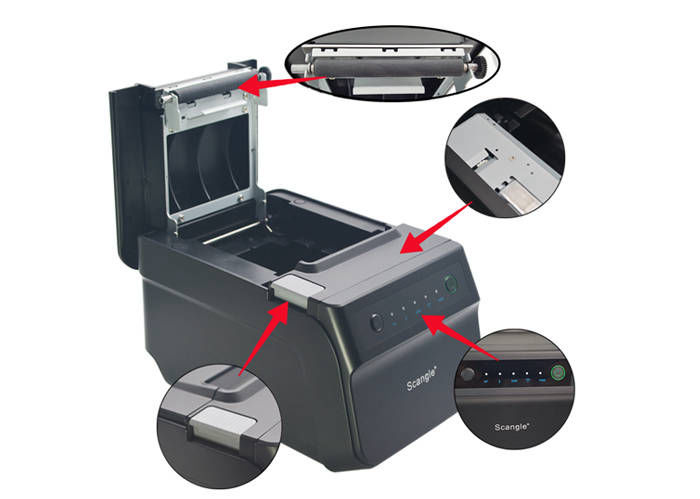
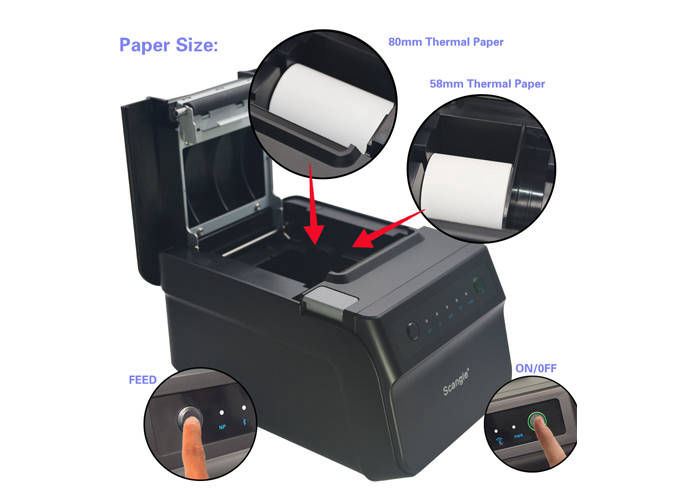
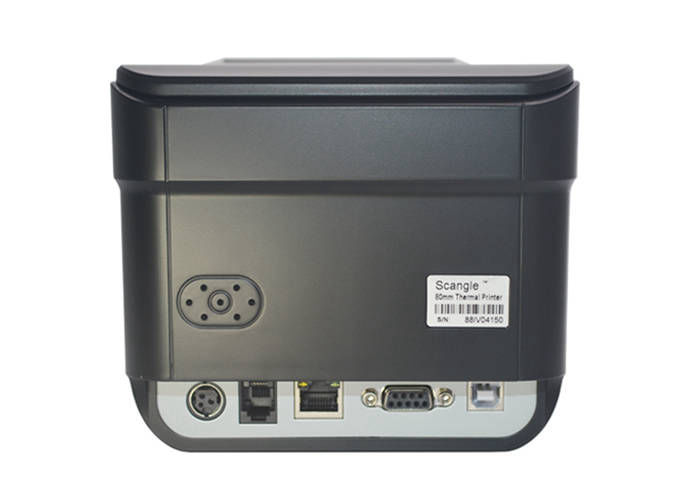
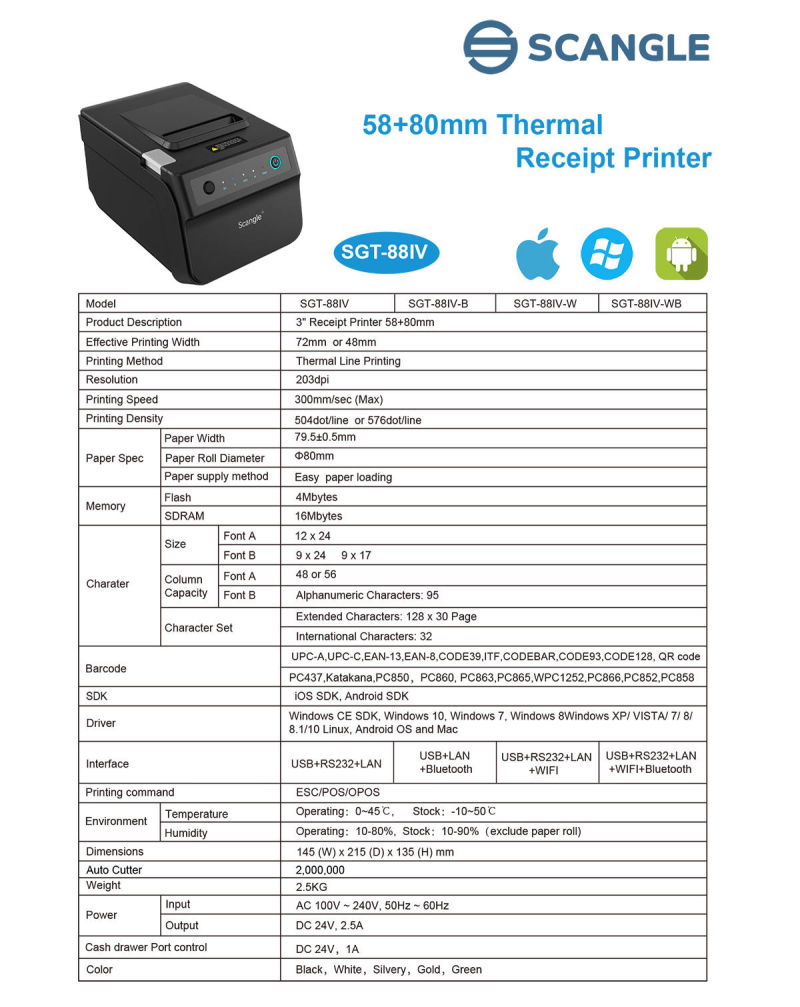
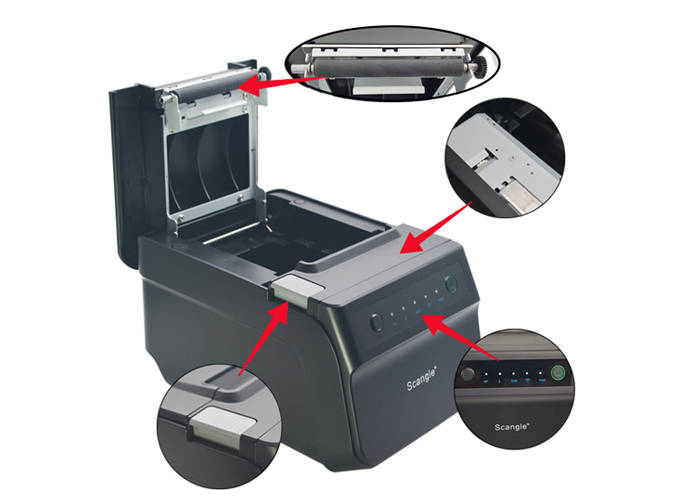
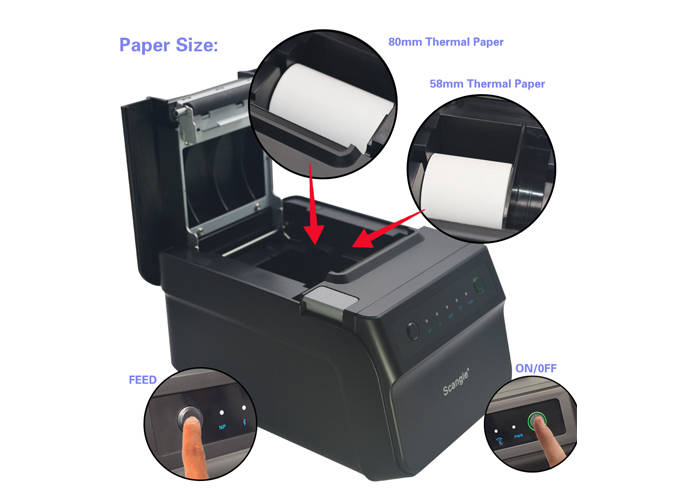
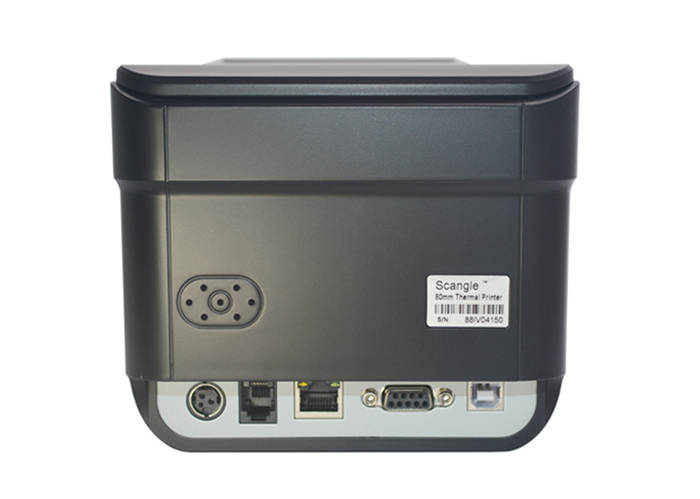
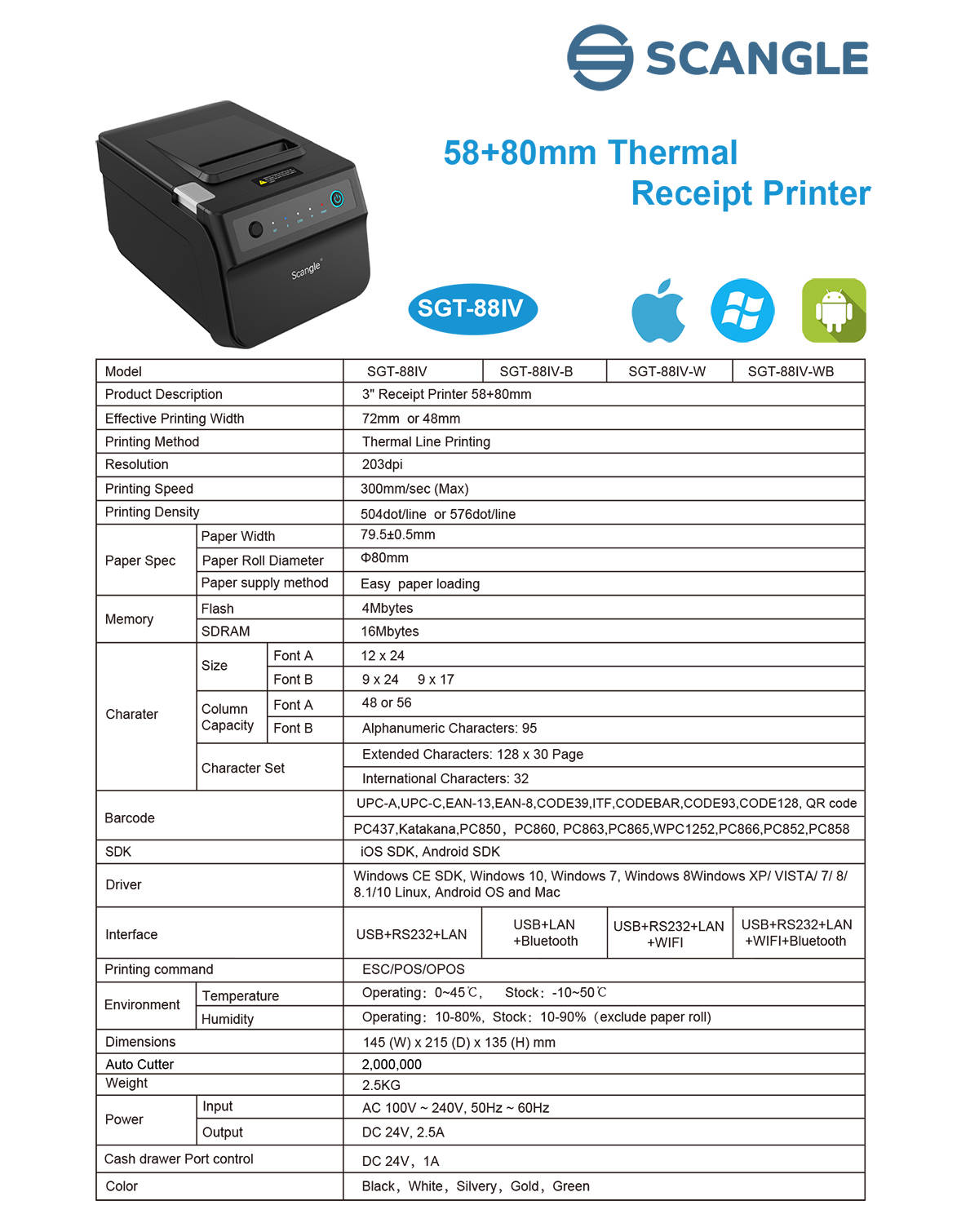
| Scangle SGT-88IV | |
|---|---|
| Print type | Thermal Printing |
| Print width | 58/80 mm |
| Resolution | 203 dpi |
| Print speed | 300 mm/s |
| Dimensions | 145 × 215 × 135 mm |
| Weight | 2,5 kg |
| Automatic cutter | Yes, lifetime 2 000 000 cuts |
| Supported standards | ESC/POS/OPOS |
| Operating temperature | 0°C - 45°C |
| Supported OS | Android, iOS, Windows, Windows CE |
| Supported Interface (optional) | RS232, USB, LAN, WiFi, Bluetooth |
+420 725 913 535
+420 702 142 452
info@satomar.cz
www.scangle.eu
Satomar, s.r.o.
ID: 29201586
VAT ID: CZ29201586
Karlova 37
614 00 Brno
Czech Republic