
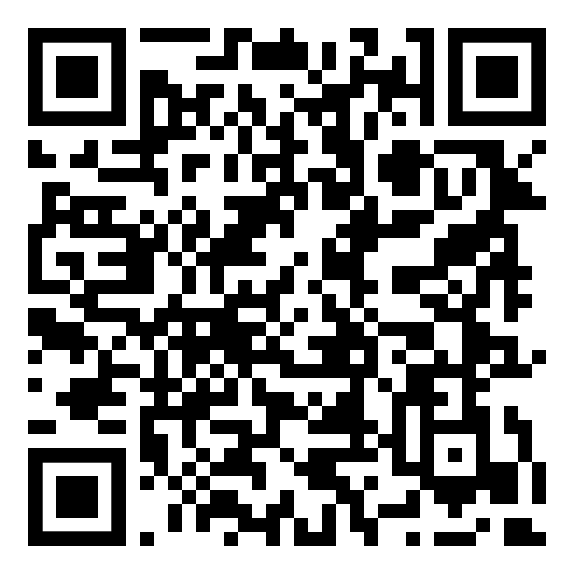

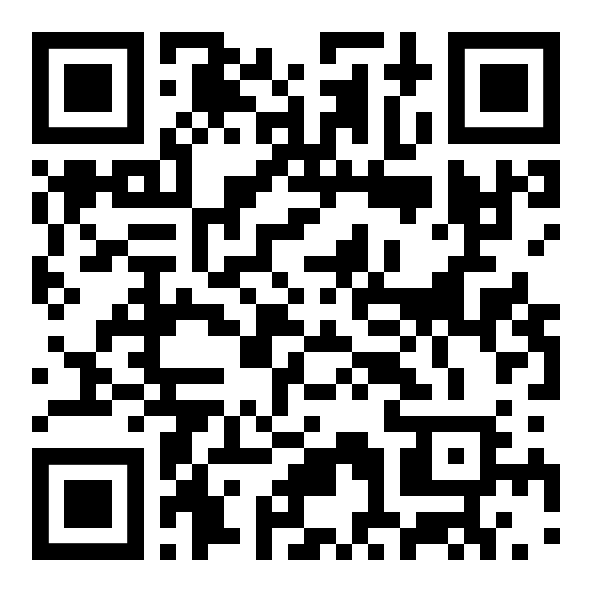
Sie haben einen Aktivierungscode von qards für S-ID-Check erhalten?
Der S-ID-Check ist das 3-D Secure-Sicherheitsverfahren für Ihre Kreditkarte. Damit kaufen Sie sicher und komfortabel mit Ihrer Kreditkarte online ein: Ein Klick in der App und Ihre Zahlung ist bestätigt.
Registrieren Sie sich bequem in der S-ID-Check-App! Ihre Kreditkarte ist damit das perfekte Zahlungsmittel für Einkäufe im Internet.
In Zusammenarbeit mit Mastercard Identity Check und Visa Secure.
Advantages include speed and scale—what once took weeks to draft can be explored in hours—and the ability to generate wide, coherent families (multiple weights, widths, or optical sizes) by varying parameters systematically. It also enables personalization: fonts adapted to a brand’s unique letter shapes or to a user’s handwriting style can be generated from limited samples.
At its core, the process usually begins with a seed: a small set of base glyphs, rules about stroke modulation, or reference images. From there, algorithms explore possibilities. Procedural methods can apply parametric transformations—changing stroke width, contrast, serif shape, or terminal treatment across a spectrum—so a single rule can yield a family of related fonts. Machine-learning approaches, including generative adversarial networks or other neural models, learn stylistic patterns from large font corpora and propose novel glyphs that blend influences in unexpected ways. cagenerated font work
Here’s a descriptive, natural-toned piece about “cagenerated font work” (interpreting this as font designs generated by computer-aided or AI-assisted processes): Advantages include speed and scale—what once took weeks
The results vary widely. In some cases, cagenerated fonts produce variations that remain firmly legible and market-ready: cohesive families with consistent metrics, kerning, and hinting that designers can fine-tune. In other instances, the output is experimental—hybridized letterforms, surprising ligatures, or decorative type that challenges legibility for the sake of visual character. Many designers use cagenerated outputs as a creative springboard: selecting and refining candidate glyphs, adjusting spacing, or retouching curves to restore human nuance. From there, algorithms explore possibilities
Cagenerated font work refers to typefaces produced with the help of computational tools—algorithms, generative models, or automated pipelines—that design, modify, or expand letterforms. Rather than a single human sketching each glyph by hand, cagenerated fonts emerge from a conversation between human intent and machine capability: designers set parameters, feed the system examples or constraints, and the software returns a range of glyph shapes, weights, and stylistic variations.
Challenges remain. Automated generation can produce inconsistencies—awkward joins, uneven stroke contrast, or spacing issues—so human oversight is usually required. Intellectual property and authorship questions arise when models train on existing typefaces: where influence ends and copying begins can be legally and ethically gray. Accessibility and readability must be preserved; novelty shouldn’t sacrifice clarity, especially for body text.
In practice, cagenerated font work sits along a spectrum from tool-assisted craftsmanship to machine-first experimentation. The most effective workflows are collaborative: designers define intent, curate training data or parameters, and apply critical, aesthetic judgment to the machine’s proposals. The outcome is a hybrid practice that expands creative possibilities while keeping human taste and purpose at the center.
Die gesetzlichen Vorgaben zur Zahlung mit Kreditkarten haben sich geändert. Mit der „starken Kundenauthentifizierung“ sollen Ihre Kreditkartendaten vor möglichem Missbrauch geschützt werden. Registrieren Sie Ihre Karte, um zukünftig weiter sicher im Internet einzukaufen.

