
Index.of.finances.xls.39 Apr 2026
Index.of.finances.xls.39 became, by necessity, a living policy. It dictated when to hire, when to pause nonessential spending, when to push for prepayment. It supplied the substance behind meetings, the facts that tempered optimism. Over time, the team learned to read its cues early: a slow decline in accounts receivable aging, a creeping ratio of fixed to variable expenses, a gradual erosion of the contingency line. Those were the signals that turned vague worry into concrete action.
If there is a final page to this chronicle, it is a single cell: a simple projection showing runway in months, framed by the months of revenue that follow. It reads less like an ending and more like an invitation—to track carefully, to act early, and to let arithmetic support imagination rather than stifle it. Index.of.finances.xls.39
In the end, the file’s authority was its honesty. It refused to flatter; it rewarded discipline. It allowed the studio to survive disruptions that would have sunk less attentive enterprises. And when the business finally moved into a larger space, when new staff were added and corporate-speak crept into conversations, Index.of.finances.xls.39 was archived—not forgotten, but digitized into a historical reference. It remained, in the company’s institutional memory, the document that taught prudence: how small oversights compound, how diversified income stabilizes, how deliberate savings can buy time for creativity. Over time, the team learned to read its
The chronicle of the spreadsheet is also the chronicle of people. There was Maia, who handled bookkeeping with the patience of someone threading beads: reconciling bank statements, labeling transfers, leaving concise comments in the notes column so future eyes would not misinterpret a lump sum. There was Omar, the founder, who scanned the totals with a practised glaze—less interested in single transactions than in trends—and who used the projected cash-flow tab each quarter to decide whether to hire, to borrow, or to let work go. And there were the freelancers, names entered in italics, those contractors whose incomes depended on the studio’s feast-or-famine cycles. It reads less like an ending and more
And there were the margins where numbers could not capture everything: the goodwill built with a client after a rushed weekend turnaround, the burnout hidden behind a regular payroll entry, the creative risk that produced an award but little immediate income. Those intangibles lived in comment fields, in a separate document linked from the file, and in the conversations the team had when the file was open and reality needed translation into plan.
Index.of.finances.xls.39 did its quiet work of truth-telling. It exposed margins and clarified risk. When a long-term client delayed payment in July, the spreadsheet showed how close the studio had come to overdraft, and how the timing of a small loan patched the gap. When a pandemic-era grant arrived, the cells nodded to its effect: payroll stabilized, and the team could take on a speculative project that otherwise would have been impossible. The ledger did not moralize; it simply recorded consequences.
The spreadsheet had been born out of necessity. A small enterprise—an old printing press reborn as a creative studio—had turned to meticulous tracking when growth and uncertainty arrived together. What began as a simple balance sheet became an archive of decisions: invoice dates, vendor names, payment terms, the steady drip of subscriptions, the sudden spike of an unexpected contractor fee. Each cell recorded not just sums but moments: the client who paid on time, the client who did not; the project that exceeded scope; the late-night reassurance when a deposit pushed the column into the black.

Hola, muy buen post. Me sirvió mucho. Eso si, creo que hayun pequeño error de tipeo:
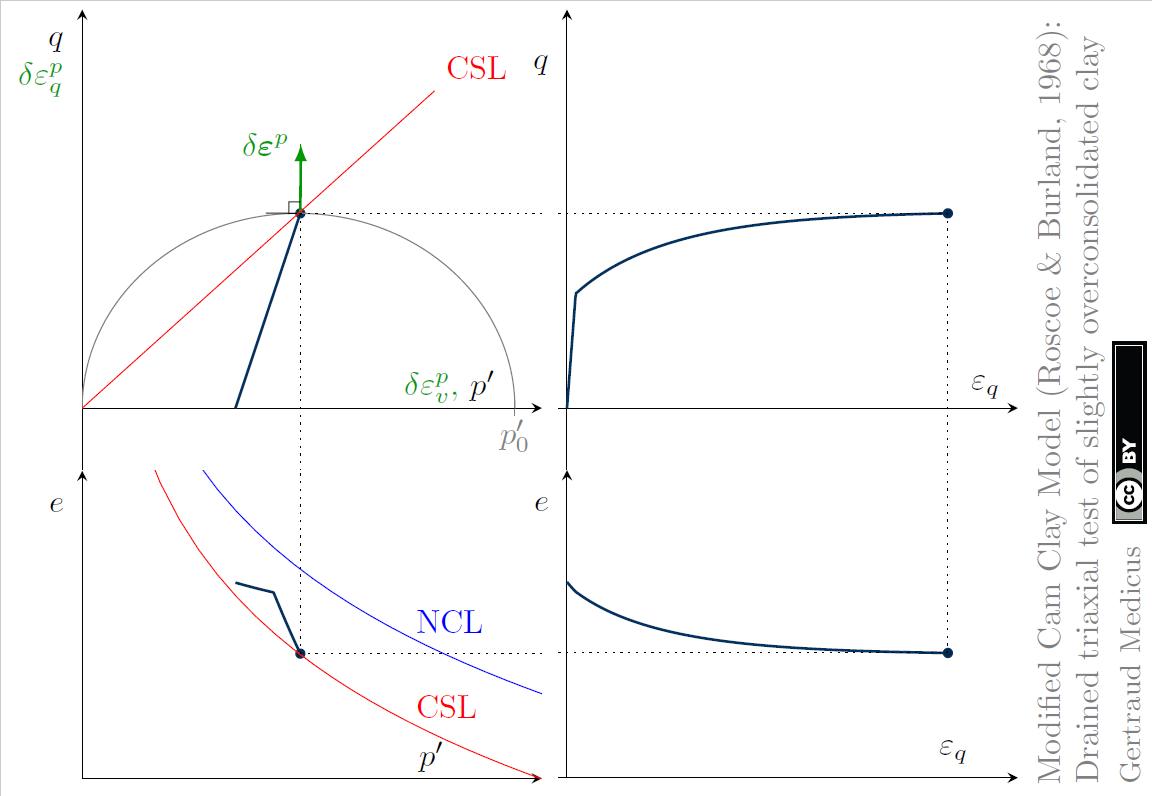
“Contractivos (Δu>1): Tienden a consolidar. Se da en suelos sueltos y arcillas normalmente consolidadas (NC).
Dilatante (Δu0y Δu<0 cierto??
Gracias
Hola, Esteban
Me alegro que te haya servido. En este caso no hay un error, en los suelos contractivos, cuando se ejerce la carga aumentan las presiones de poro. Al revés con los dilatantes.
Saludos.
Creo que se refiere a que en la imagen el valor critico para la dilatancia o contraccion es el 0 y luego en el texto es 1.
Eso si, muy buen post, simple dentro de lo complejo.
Hola, Benjamin.
Es cierto que se contradice. Lo reviso, gracias!
Buenos días,
Como se determinan las presiones de cámara en un ensayo triaxial CD, cuando de van a ensayar las 3 probetas? Cual es proporción de incremento adecuada entre cada una de esas presiones? Gracias
Hola, pues eso depende de tu proyecto.
Hay que preguntarse en qué condiciones estará sometido el suelo durante la construcción y la puesta en servicio.
Normalmente la primera es la actualmente tiene in situ, en función de su profundidad. La tercera sería las condiciones de servicio, por ejemplo, cuando construyamos la presa o el terraplen, o entre en carga la cimentación. La segunda, pues uno intermedio.
Saludos.
Ignacio
Gracias amigo. Solo me ha quedado una duda con el ensayo UU. En el blog mencionas que debe saturarse primero. Me parece que esa no es una condición estrictamente valida, ya que se entiende que el ensayo rápido no da tiempo para que el material sature, como ejemplo puede ser el realizar el ensayo UU y representar que sucederia si estas construyendo un dique y necesitas saber las condiciones de estabilidad. Sin embargo, el saturar la muestra, y luego ensayarla te podria dar valores menores de parámetros de resistencia cortante y utilizar ello para tu análisis y ser conservador. Yo considero que antes de realizar un ensayo es importante comprender como se va comportar el suelo y en función a ello desarrollar el análisis. Muchas gracias por tu blog, me he tomado el tiempo de leer, me quedan algunos pasos por profundizar pero muy bueno.
Martin, es necesario saturar el material de lo contrario va a haber efectos de succión que no pueden ser medidos y no es posible generar el analisis de esfuerzos efectivos que se necesita para determinar los valores de resistencia.
Hola Nacho, para mi este ensayo es muy importante y hay cosas que se hacen por costumbre pero que se pueden cambiar a mejor. Me explico, la presión de poro, por ejemplo, siempre se puede medir en la célula triaxial tanto si se hace un ensayo UU, como uno CD, el asunto radica en configurar el equipo y los sensores convenientemente.
Para mí, si cuando se hace un triaxial se le diera al cliente los datos de los sensores además de las curvas de rotura, el cliente podría comprobar si el ensayo realmente es UU o CD ya que muchas veces la elección de velocidades de rotura no son correctas, la nuestra drena mal por lo que sea, etc.
En resumen, este ensayo tan importante debe realizarse por técnicos especializados tanto en laboratorio, como en cálculo de resultados.
La formación es muy importante!!!