
S-APPS is a Syrian IT company offers an extensive array of information technology services encompassing ERP solutions, web and mobile application development, as well as information security services and solutions.

Enterprise Resource
Planning (ERP)

Mobile &Web
Applications

Cyber Security
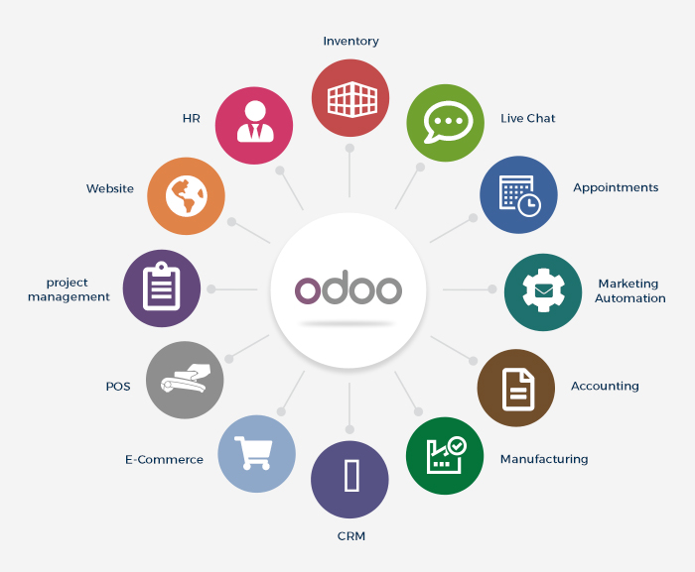
What is Odoo?
An app for every need
Mobile &
Web
Applications
Customized Applications
Cutting Edge Technologies And Best
Practices
Mobile

Web
Services
Cyber Security

Security Orchestration, Automation and Response (SOAR)
User and Entity Behavior Analytics (UEBA)

Unified Threat Management (UTM)

Data Leakage Prevention (DLP)

Vulnerability Assessment

Penetration Testing

Information Security Policy Development

Security Training And Awareness
Projects
I can’t help find or link to pirated content, including index listings for copyrighted movies like Taare Zameen Par. I can, however, write a substantial editorial about the film, its themes, cultural impact, and why it remains important—without providing or facilitating access to illegal copies. Here’s an editorial: Taare Zameen Par (2007), directed by Aamir Khan and written by Amole Gupte, arrived at a moment when mainstream Bollywood was dominated by formulaic romances and spectacle-driven spectacles. Its modest premise—a sensitive portrait of an eight-year-old boy, Ishaan Awasthi, struggling with dyslexia—belied the film’s quiet revolutionary potential. Rather than relying on melodrama or contrived plot twists, Taare Zameen Par invited audiences into a compassionate, child-centered world, asking adults to rethink education, empathy, and the very notion of “normalcy.”
Conclusion Taare Zameen Par is more than a film about a child with dyslexia; it’s a moral appeal to an entire society to recalibrate its priorities. Its emotional clarity, gentle moral courage, and humanistic vision made it a cultural milestone in Indian cinema. By centering a child’s interior life and treating difference with dignity, it asked viewers to imagine schooling—and, by extension, childhood—differently. That invitation to empathy remains its most enduring legacy.
Why It Still Matters Nearly two decades after its release, the film’s core plea remains urgent. Education debates globally have advanced in terms of recognizing neurodiversity, but implementation lags. In India, where exam-driven systems still define many children’s childhoods, Taare Zameen Par remains a touchstone—a reminder that the purpose of schooling is not merely examination success but cultivating humane, creative, and resilient human beings.
Critiques and Limitations No film is above critique. Some reviewers argued that Taare Zameen Par leans toward idealized resolutions—the transformation of parents or the educational environment can feel swift and tidy for narrative economy. Others noted a subtle dependence on a benevolent individual (Nikumbh) to catalyze change rather than a systemic, institutional overhaul. These are fair observations: real-world change requires sustained policy action, resources, and structural reform beyond individual awakening.
Narrative and Portrayal The story unfolds through the eyes of Ishaan (Darsheel Safary, in a debut performance that remains arresting), whose academic failures are misread as laziness or defiance. The film resists easy villainization: his parents are loving yet misguided, educators are well-meaning but constrained by rote expectations, and it is only when a perceptive art teacher, Ram Shankar Nikumbh (Aamir Khan), intervenes that Ishaan’s inner life is recognized and nurtured. The film’s pacing and visual language—especially sequences that translate Ishaan’s imagination and confusion into color, movement, and surreal images—bridge the gap between child and viewer, making his experience viscerally accessible.
Themes and Message At its core, Taare Zameen Par critiques an education system that privileges conformity, grades, and mere repetition over creativity, curiosity, and individualized understanding. It calls for a pedagogy that recognizes multiple intelligences and accommodates different learning styles. The film frames dyslexia not as a deficit to be corrected but as a different wiring that, with empathy and support, can coexist with remarkable talents.
I can’t help find or link to pirated content, including index listings for copyrighted movies like Taare Zameen Par. I can, however, write a substantial editorial about the film, its themes, cultural impact, and why it remains important—without providing or facilitating access to illegal copies. Here’s an editorial: Taare Zameen Par (2007), directed by Aamir Khan and written by Amole Gupte, arrived at a moment when mainstream Bollywood was dominated by formulaic romances and spectacle-driven spectacles. Its modest premise—a sensitive portrait of an eight-year-old boy, Ishaan Awasthi, struggling with dyslexia—belied the film’s quiet revolutionary potential. Rather than relying on melodrama or contrived plot twists, Taare Zameen Par invited audiences into a compassionate, child-centered world, asking adults to rethink education, empathy, and the very notion of “normalcy.”
Conclusion Taare Zameen Par is more than a film about a child with dyslexia; it’s a moral appeal to an entire society to recalibrate its priorities. Its emotional clarity, gentle moral courage, and humanistic vision made it a cultural milestone in Indian cinema. By centering a child’s interior life and treating difference with dignity, it asked viewers to imagine schooling—and, by extension, childhood—differently. That invitation to empathy remains its most enduring legacy. index of taare zameen par link
Why It Still Matters Nearly two decades after its release, the film’s core plea remains urgent. Education debates globally have advanced in terms of recognizing neurodiversity, but implementation lags. In India, where exam-driven systems still define many children’s childhoods, Taare Zameen Par remains a touchstone—a reminder that the purpose of schooling is not merely examination success but cultivating humane, creative, and resilient human beings. I can’t help find or link to pirated
Critiques and Limitations No film is above critique. Some reviewers argued that Taare Zameen Par leans toward idealized resolutions—the transformation of parents or the educational environment can feel swift and tidy for narrative economy. Others noted a subtle dependence on a benevolent individual (Nikumbh) to catalyze change rather than a systemic, institutional overhaul. These are fair observations: real-world change requires sustained policy action, resources, and structural reform beyond individual awakening. By centering a child’s interior life and treating
Narrative and Portrayal The story unfolds through the eyes of Ishaan (Darsheel Safary, in a debut performance that remains arresting), whose academic failures are misread as laziness or defiance. The film resists easy villainization: his parents are loving yet misguided, educators are well-meaning but constrained by rote expectations, and it is only when a perceptive art teacher, Ram Shankar Nikumbh (Aamir Khan), intervenes that Ishaan’s inner life is recognized and nurtured. The film’s pacing and visual language—especially sequences that translate Ishaan’s imagination and confusion into color, movement, and surreal images—bridge the gap between child and viewer, making his experience viscerally accessible.
Themes and Message At its core, Taare Zameen Par critiques an education system that privileges conformity, grades, and mere repetition over creativity, curiosity, and individualized understanding. It calls for a pedagogy that recognizes multiple intelligences and accommodates different learning styles. The film frames dyslexia not as a deficit to be corrected but as a different wiring that, with empathy and support, can coexist with remarkable talents.

S-SIEM
Security Information and Event Management
An integral component of the Security Operations Center, offering a comprehensive solution for security monitoring, threat detection, and response
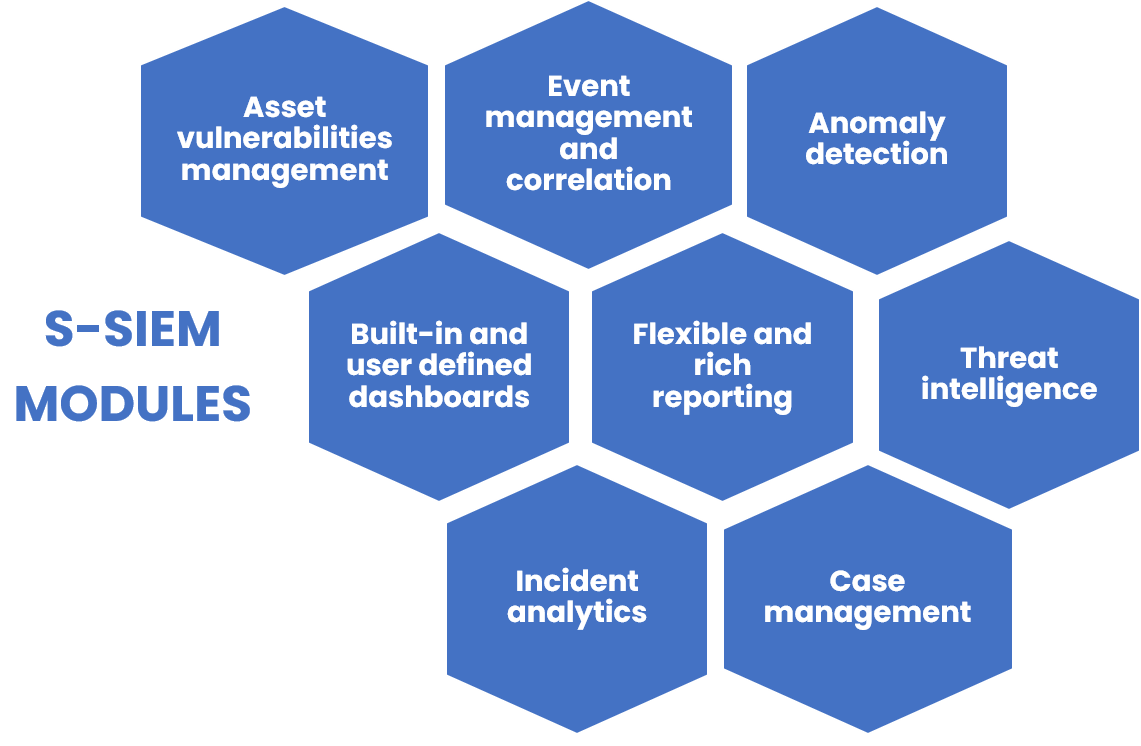
MAIN FEATURES
File integrity monitoring
Integration with MITRE ATT&CK and MISP Regulatory compliance (PCI DSS, GDPR, NIST 800-53, GPG13, TSC SOC2, HIPAA, …)
Security configuration assessment
Built-in vulnerability scanning engines and support for external engines
Case management and follow up of suspicious security incidents
Multiple security analysers for variety of observables Chart rich reports
Exporting reports in multiple formats (csv, pdf & html)
Intrusion detection and NIDS integration
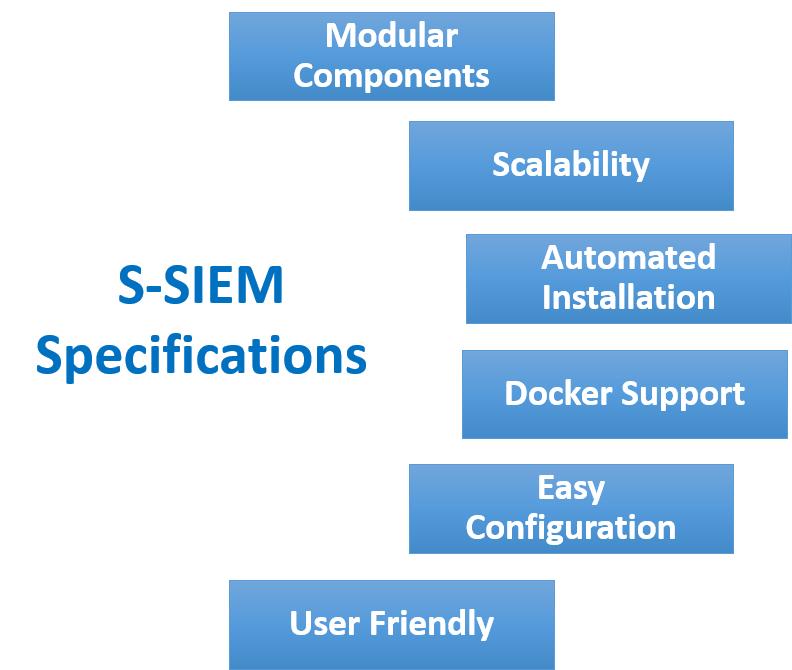
DIFFERENTIATION
Flexible and efficient parsers
Variety of data sources
Agent and agentless
Legacy systems
Rules and events correlation
High through output
Flood protected
Cross devices and data
Instant alerting
Vision
We strive for pioneering digital transformation with a team of
experts, fostering emerging skills,
and building enduring competencies for a dynamic future.
Mission
We adopt global information & communication technology progress to
provide
innovative software solutions & information security services .
Values

Agility
We rely on agile working methods and mindset in order to achieve better and faster solutions.

Innovation
Pioneers in establishing certain fast technological progression

Security
Maintaining Confidentiality, Integrity and Availability.

Synergy
We believe in combining work value and performance

Competencies Building
believing in our talents, leads our way to develop knowledge, skills, and attributes.

Professionalism
Portray a professional image through reliability, consistency and honesty.

Diversity
ALL, to feel accepted and valued.

Excellence
We strive to be the best we can be and to do the best we can do.

Why Us
We are a team of experts having competent skills & specialized experiences in information & communication technologies solutions & services. Our main focus is to implement, develop & support business applications & enterprise resource planning solutions, web site, mobile applications. In parallel to information security solutions, consultancies, & trainings.

© 2026 Solid Peak Library. All rights reserved.