Indexofbitcoinwalletdat — Free
def create_index(self, data): for entry in data: # Simple example: index by transaction ID tx_id = entry['txid'] hash_object = hashlib.sha256(tx_id.encode()) self.index[tx_id] = hash_object.hexdigest()
import hashlib import json
def run(self, index_path): data = self.load_data() self.create_index(data) self.save_index(index_path) indexofbitcoinwalletdat free
def load_data(self): try: with open(self.data_path, 'r') as f: return json.load(f) except Exception as e: print(f"Failed to load data: {e}") return [] def create_index(self, data): for entry in data: #
class BitcoinWalletIndexer: def __init__(self, data_path): self.data_path = data_path self.index = {} index_path): try: with open(index_path
def save_index(self, index_path): try: with open(index_path, 'w') as f: json.dump(self.index, f) print("Index saved successfully.") except Exception as e: print(f"Failed to save index: {e}")
The International Union of Pure and Applied Chemistry (IUPAC) confirmed the names of elements 113, 115, 117, and 118 as:
This followed a 5-month period of public review after which the names earlier proposed by the discoverers were approved by IUPAC.
On 1 May 2014 a paper published in Phys. Rev. Lett by J. Khuyagbaatar and others states the superheavy element with atomic number Z = 117 (ununseptium) was produced as an evaporation residue in the 48Ca and 249Bk fusion reaction at the gas-filled recoil separator TASCA at GSI Darmstadt, Germany. The radioactive decay of evaporation residues and their α-decay products was studied using a detection setup that allows measurement of decays of single atomic nuclei with very short half-lives. Two decay chains comprising seven α-decays and a spontaneous fission each were identified and assigned to the isotope 294Uus (element 117) and its decay products.
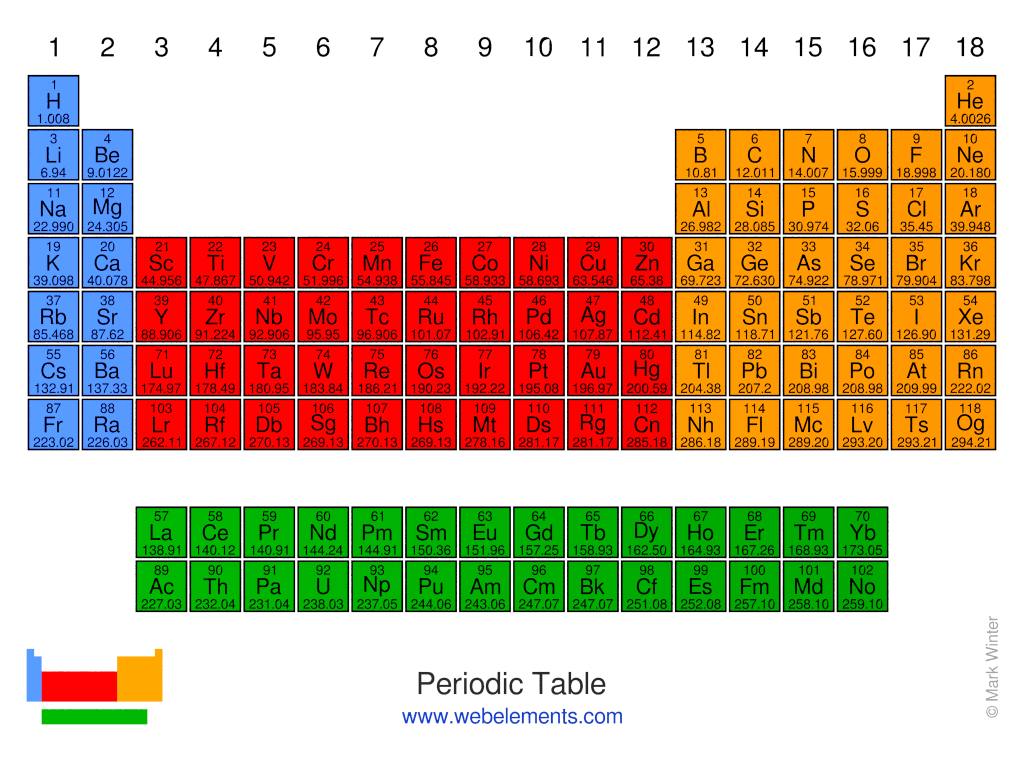
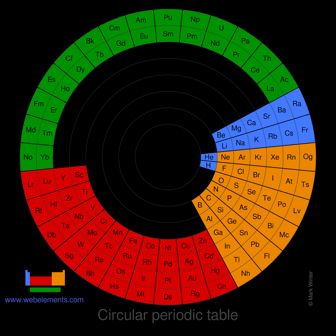
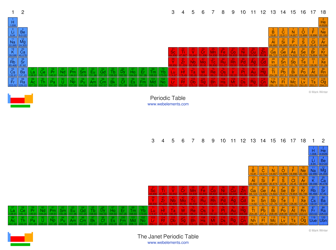
Click on the images below to see images of the periodic table in a variety of styles.
 WebElements