Those Weeks At Fredbear 39-s Family Diner — Android
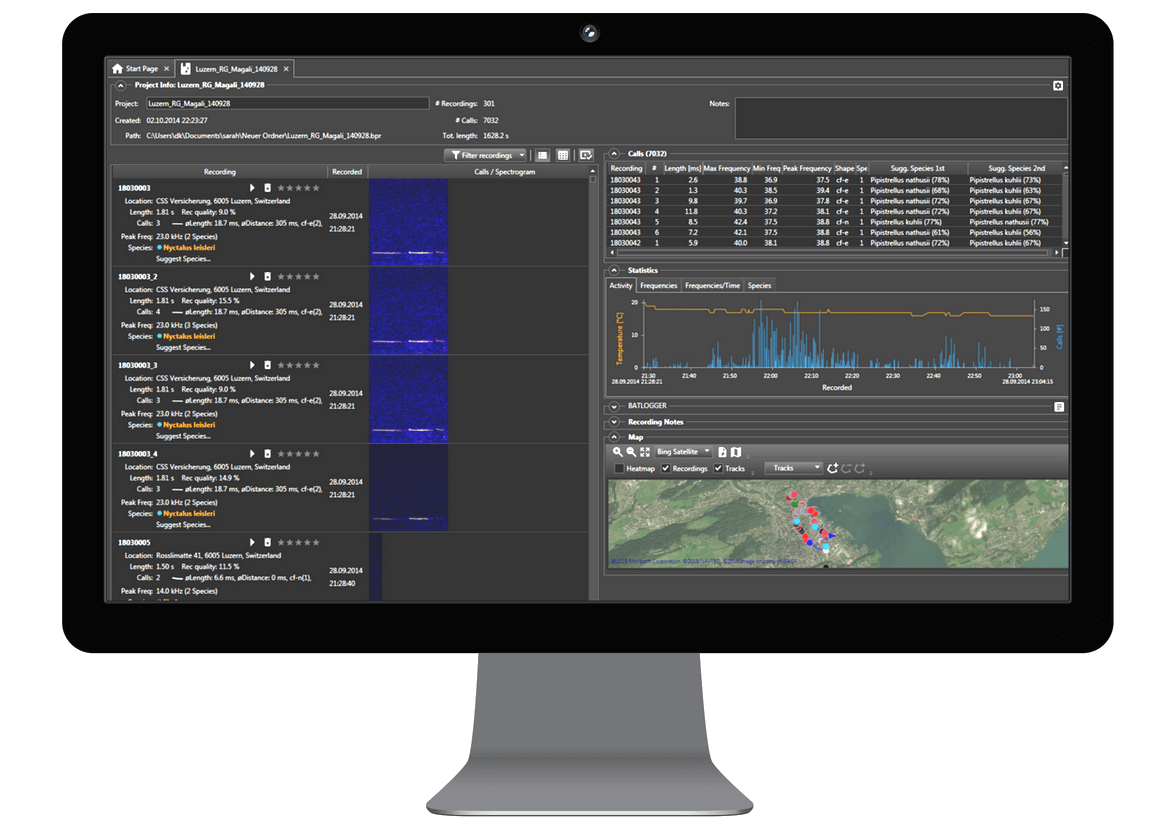
Analyse your recordings
Organize recordings easily and fast
Automatic bat call detection
Listening, viewing and classifying recordings
Automate recurring actions with tasks
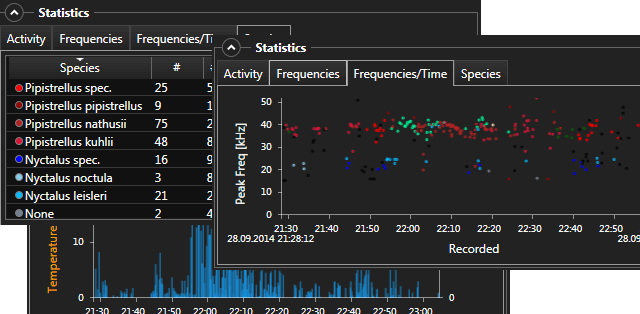
Bat species suggestions
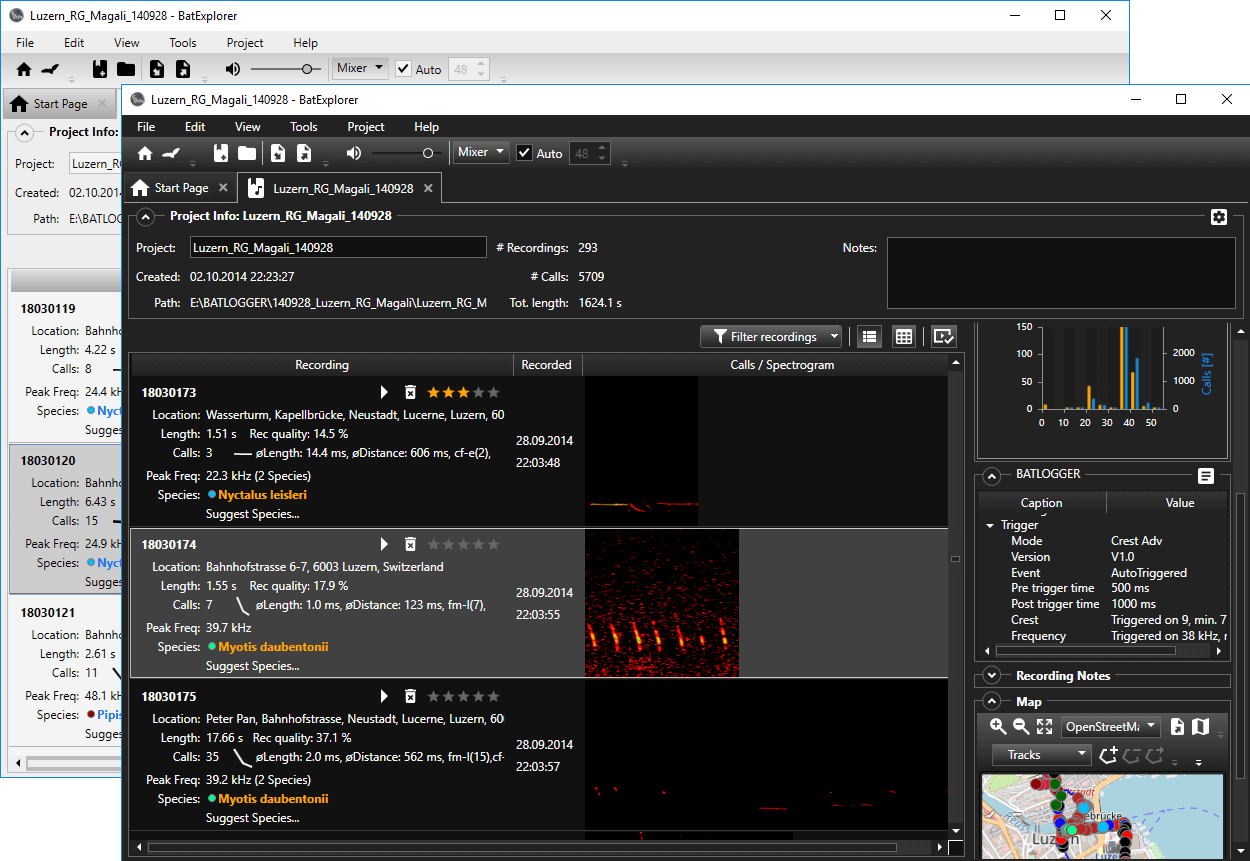
Organize recordings easily and fast
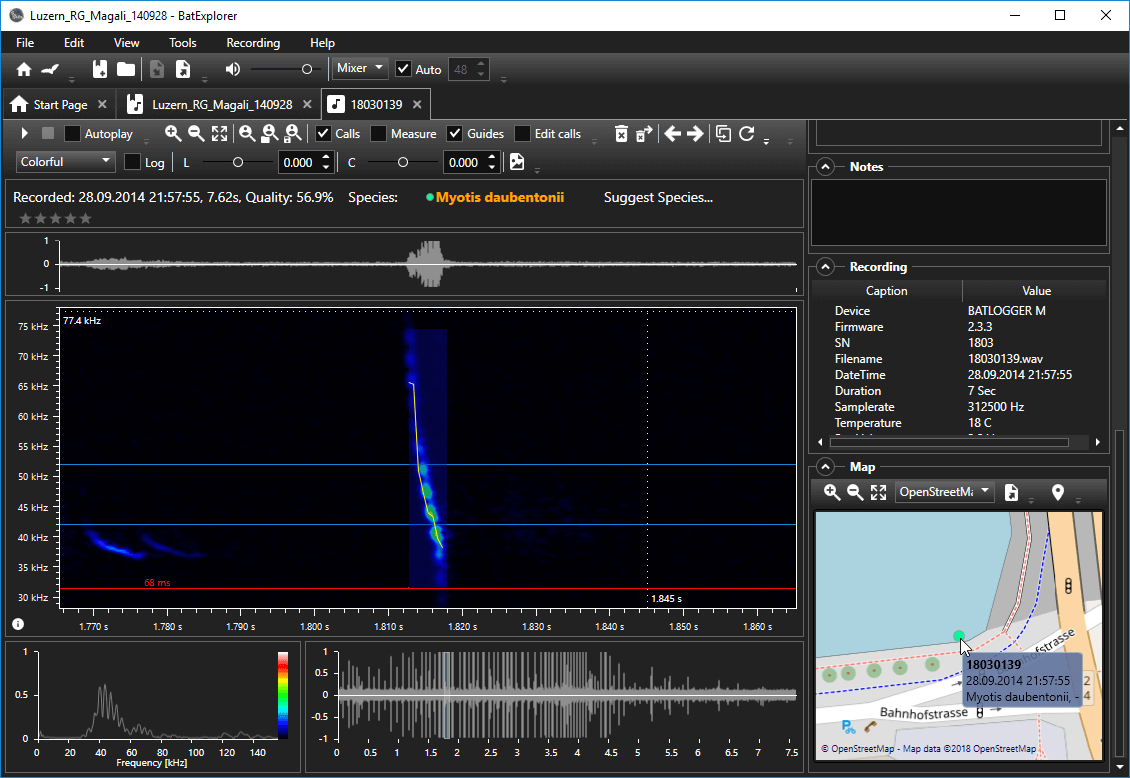
Automatic bat call detection
Listening, viewing and classifying recordings
Automate recurring actions with tasks
Bat species suggestions
I learned the machines in the first week. You do not learn them from manuals. You learn them by listening at night, when the music box on the second floor winds down and the hum in the vents seems to answer. They have names—Fredbear, of course, and Bonnie, and a smaller, grinning rabbit that someone scratched the face off to make look like it was laughing. The casing is soft at the edges from decades of hands patting and kids clambering. Their eyes are glass, not the kind that reflect but the kind that look through you and keep looking.
The diner itself sits on the corner of a hollow strip mall, neon sign buzzing in a way that makes you think of cartoons and childhood. Fredbear’s Family Diner is exactly the sort of place designed to be a memory: checkered tablecloths, paper crowns in a jar, a stage with scuffed plywood where the animatronics stand. People come for the nostalgia—half-birthday parties and afterschool slices—until they stop and their eyes linger on the machines like something alive behind the paint. those weeks at fredbear 39-s family diner android
Example: Once I confronted it backstage. There was a sound before I saw movement: a dozen tiny metal feet tapping a rhythm into the floor. I turned the corner and found a child-sized silhouette pressed against the maintenance ladder, head bowed, breath visible in the dust. I heard a whisper: “Do you see them?” I said nothing. The silhouette rose and walked through a curtain like it was walking through a memory, leaving a residue of static behind it. I learned the machines in the first week
The fifth week was the one that changed everything. Cameras that had always looped footage from three days prior began to contain frames that were impossible: weather outside the diner in footage that had been recorded on a clear day, or a man who stood in the doorway and then wasn’t there on adjacent cameras. Most nights, I drank coffee and kept my eye on the monitors. That night the feed flickered. I watched an hour of nothing and then, in the 2:00 a.m. slot, saw a small figure step onto the stage where no figure should be. The figure didn’t move like a child. It moved like someone learning the edges of a machine. They have names—Fredbear, of course, and Bonnie, and
Final example to leave you with: if you ever find yourself backstage at some dusty family diner and the door is unlatched, listen. Don’t speak first. There might be a small, careful noise like a key rehearsing a melody. If you hear it, fold your hand around the feeling and leave. The machines will keep their vigil. You don’t need to join them.
Example: When I read the note aloud, a low sound rose from the stage—not the engineered hum but a murmur like a thousand people lowering their voices. The lights in the dining room dimmed and the neon sign outside buzzed in time. For a second everything fit, like a puzzle finished, and then the silence collapsed and the diner was only a diner again with its grease lamps and its radio that played commercials mid-sentence.
Example: Fredbear’s jaw is mounted with a hydraulic that coughs once and closes with the sound of a closet shutter. It should be noisy, industrial, but at 2:13 a.m. there’s only a whisper when it moves, as if something inside is tired and trying not to wake the building. I traced the wiring once with my lamp and found zip-tied bundles that led to a single loose port under the stage. Whoever wired it wanted easy access and secrecy in the same breath.
More information about the software can be found in the Online User Guide.